

Structural Heart & Valve Care
TAVR & Heart Valve Treatment

You don’t have to let a structural heart or valve condition limit your life. Whether you’ve been diagnosed with a heart valve disorder, congenital heart defect, aortic stenosis, mitral valve disease, hypertrophic cardiomyopathy or another structural heart condition, expert care can help improve symptoms, restore heart function and reduce your risk of complications.
At Trinity Health Michigan, our structural heart and valve care team provides advanced diagnostic testing and minimally invasive treatments to help you return to the activities you enjoy. Patients throughout Southeast Michigan and West Michigan choose Trinity Health Michigan for specialized structural heart care, including treatment for heart valve disease, atrial septal defects and other complex structural heart conditions.
Structural Heart and Valve Disease: Why Choose Us?
Nationally recognized structural heart expertise
Our experienced cardiologists specialize in diagnosing and treating complex structural heart and valve conditions using advanced, minimally invasive techniques that go beyond general cardiology.
Leading minimally invasive treatments
We offer catheter-based procedures, including Transcatheter Aortic Valve Replacement (TAVR), Mitral Transcatheter Edge-to-Edge Repair (MTEER), WATCHMAN left atrial appendage closure, Alcohol Septal Ablation, and atrial septal defect closure, helping many patients avoid open-heart surgery while improving quality of life.
Advanced imaging and diagnostics
State-of-the-art CT, MRI, fluoroscopy and 3D transesophageal echocardiography precisely diagnose each heart condition and guide treatment in real time.
Personalized support
Dedicated nurse navigators coordinate care, answer questions and support you from diagnosis through recovery.

What Conditions Are Included Under Structural Heart Disease?
We diagnose and treat a wide range of conditions, including:
- Heart valve conditions: aortic valve disease/stenosis, mitral valve disease (stenosis and regurgitation), tricuspid valve disease, and paravalvular leak.
- Congenital/structural defects: atrial septal defect (ASD) and patent foramen ovale (PFO), often treated with transcatheter atrial septal defect closure or PFO closure when appropriate.
- Other structural issues: hypertrophic cardiomyopathy requiring hypertrophic cardiomyopathy treatment such as Alcohol Septal Ablation, and stroke-prevention strategies like WATCHMAN left atrial appendage closure for select patients with atrial fibrillation.
Structural Heart Procedures We Offer
- TAVR: Minimally invasive valve replacement for severe aortic stenosis, often with shorter recovery.
- MTEER: Transcatheter therapy that improves mitral valve closure and reduces regurgitation.
- WATCHMAN left atrial appendage closure: A catheter-based option for atrial fibrillation patients who cannot take long-term blood thinners, reducing stroke risk.
- Atrial septal defect closure: Transcatheter closure of ASD to normalize blood flow between the heart’s upper chambers.
- Alcohol Septal Ablation: A hypertrophic cardiomyopathy treatment that reduces excess heart muscle thickness and improves symptoms.
Frequently Asked Questions
Structural heart care focuses on problems affecting the heart’s valves, chambers, walls and other structures that change how blood flows. It includes specialized imaging, risk assessment, and minimally invasive therapies delivered by a multidisciplinary team.
Structural heart and valve care differs from general cardiology by emphasizing catheter-based and surgical solutions for anatomical defects and valve disorders rather than primarily medical therapy for rhythm or blood pressure alone.
Structural heart valve disease occurs when one or more valves become narrowed (stenosis) or leaky (regurgitation), disrupting normal forward blood flow. Conditions such as severe aortic stenosis and mitral valve regurgitation can cause shortness of breath, fatigue, chest discomfort, dizziness and reduced ability to exercise.
With expert structural heart and valve care, many people experience significant symptom relief and improved heart function.
Symptoms of structural heart disease include:
- Shortness of breath
- Fatigue
- Chest pain or pressure
- Heart palpitations
- Dizziness or fainting
- Swelling in the legs or ankles
- Reduced exercise tolerance
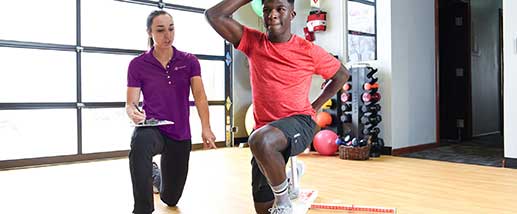
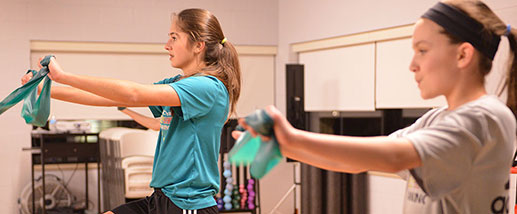
Many people with a structural heart condition can exercise safely with guidance. Your plan should be individualized based on your diagnosis, symptoms and treatment status. After procedures such as TAVR, MTEER, atrial septal defect closure or hypertrophic cardiomyopathy treatment, most patients gradually resume activity with cardiac rehab support. Always discuss your exercise goals with our structural heart and valve care team to tailor safe intensity and progression.
General cardiology focuses on medical management of conditions like hypertension, coronary artery disease and arrhythmias. Structural heart and valve care concentrates on anatomical problems—valves, septal walls and chambers—using advanced imaging and minimally invasive procedures such as TAVR, MTEER, WATCHMAN left atrial appendage closure and atrial septal defect closure. This subspecialty team collaborates closely with general cardiology to deliver comprehensive care for every heart condition.
Your evaluation may include a comprehensive cardiovascular assessment, advanced imaging, consultation with structural heart specialists, personalized recommendations and long-term follow-up. We partner with you to understand your goals and help you make confident decisions about your heart condition and overall health.